In Ghana, a country defined by youthful ambition and an enduring love for football, talent alone is rarely enough. While the nation has produced a remarkable number of professional footballers relative to its size, the structures designed to identify and develop that talent remain fragmented. Deep rooted funding shortages within the education system, combined with persistent poverty and regional inequality, continue to limit access to both academic and athletic development for many young Ghanaians.
For thousands of children, opportunity is less a matter of ability than of circumstance.
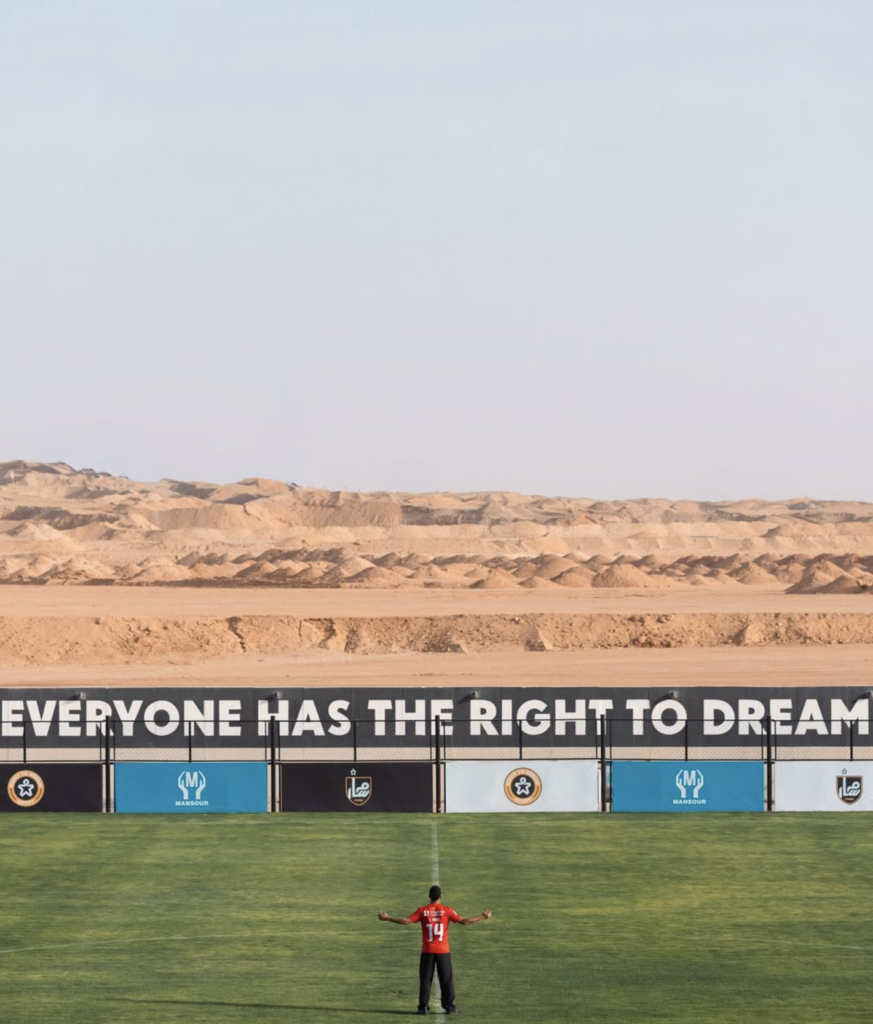
It is within this gap, between talent and access, that the Right to Dream Academy has emerged. More than a football institution, it operates as a response to structural absence, a privately built pathway offering what public systems have struggled to provide at scale.

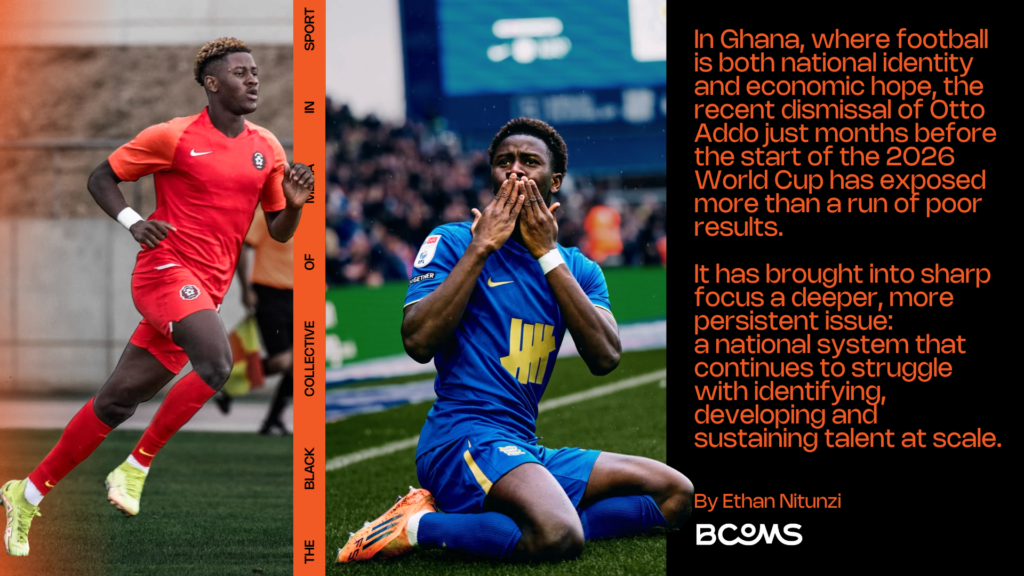
Founded in 1999 by Welsh football scout Tom Vernon, Right to Dream began as a modest residential programme in Accra. Over the past two decades, it has grown into a global network with academies in Ghana, Egypt, Denmark and the United States. Its model blends elite football coaching with formal education and character development, producing alumni such as Mohammed Kudus and Ibrahim Osman, now competing at the highest levels of European football.
Yet embedded within Right to Dream’s success is a contradiction that invites closer scrutiny.
Despite its reputation and results, the academy does not sit fully within the Ghana Football Association’s national talent development framework. Rather than being institutionally integrated, Right to Dream operates largely independently, seeking cooperation rather than formal affiliation with the GFA. This separation raises difficult questions about coherence in Ghana’s football development strategy and why one of the country’s most effective talent producers remains outside official structures.
The issue is not merely administrative. It speaks to a broader uncertainty about responsibility, who is ultimately accountable for developing Ghana’s next generation.
Why Right to Dream Exists at All
Public investment in youth development across Ghana remains inconsistent. Access to quality secondary education, reliable facilities and structured sporting pathways varies sharply between urban and rural areas. For many young athletes, raw ability fades not through lack of discipline or ambition, but because there is no system to support it.
Right to Dream positions itself as both solution and indictment. By providing education, healthcare, accommodation and elite training, it fills a vacuum left by the state and its institutions. At the same time, its very necessity exposes the limitations of existing public frameworks.
Tom Vernon has repeatedly argued that Ghana’s future lies not only in natural resources but in human capital. He has urged policymakers to move towards a talent based economy, built on systematic identification and long term development of young people. The academy’s success demonstrates what is possible, while also highlighting what remains undone.
Private Capital and Public Questions
Since its acquisition in 2021 by Egypt’s Mansour Group and Man Capital LLP, Right to Dream has undergone rapid expansion. More than one hundred and eighty million dollars has reportedly been invested across its global operations, including plans for a new world class facility near Accra. Government officials have welcomed the project, describing it as a boost to youth development and a signal of international confidence in Ghana.
But the growing reliance on private capital introduces a new set of questions.
If private investors are now shaping the country’s most effective talent pipelines, what role remains for the state. Can institutions serving public good afford to depend on market forces for survival. And what are the long term implications when a nation’s most successful development model exists outside public ownership or governance.
Education, Football and Unequal Outcomes
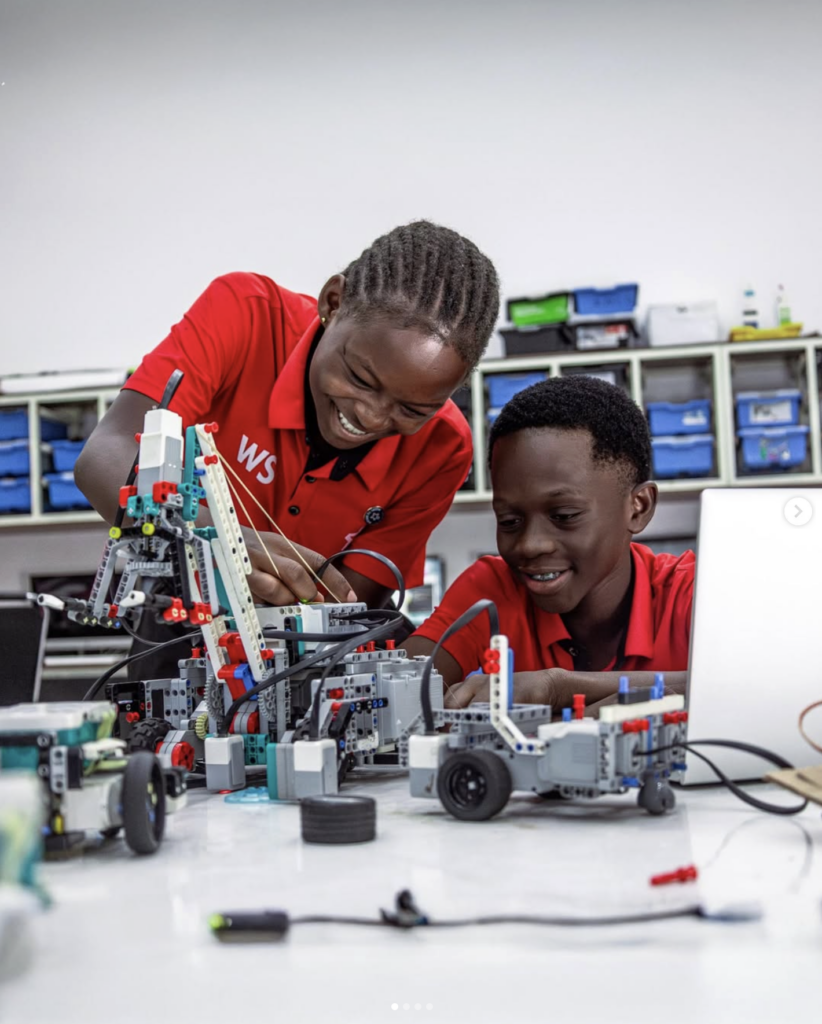
Supporters of Right to Dream argue that its integrated model, combining academics, discipline and high level sport, is precisely what Ghana needs. Many graduates have earned scholarships abroad, creating opportunities that extend far beyond football.
Still, access remains selective by necessity. No matter how effective the academy may be, it can serve only a fraction of the children who might benefit from similar support.
This tension sits at the heart of the Right to Dream story. It is both proof of what is possible and a reminder of what is missing.